

A Gold Coast arvo session can turn sour fast when the payout drops from 3:2 to 6:2, and that is exactly why the blackjack basic strategy for 6 to 5 tables matters more than most players realise. I have spent years mapping customer journeys across iGaming and membership programmes in APAC, and one pattern holds up everywhere: a worse payout structure punishes hesitation far harder than a tight strategy ever does. The house edge climbs the moment you chase a late surrender or a risky double on a weak total, so discipline has to start before you even place a bet. This piece looks at how the maths shifts, where the real limits sit, and what that means for anyone sitting down on a busy weekend.
Why the 6:5 Payout Changes Every Decision
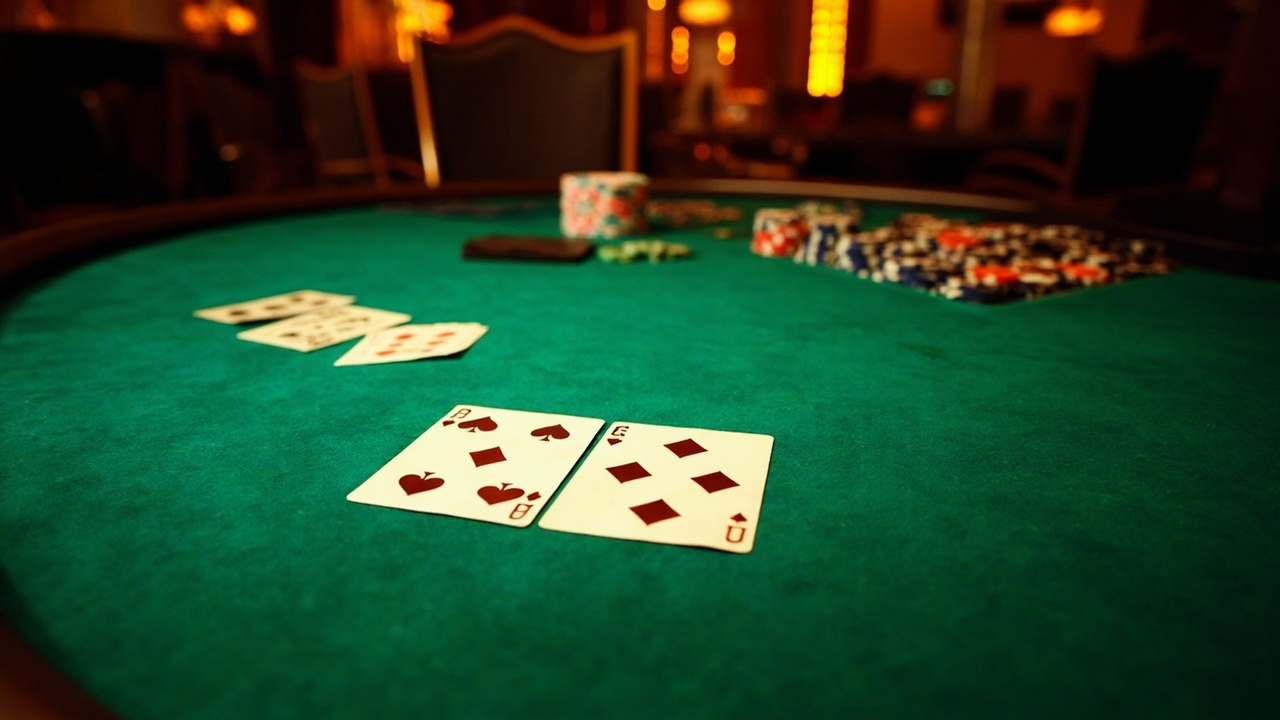
The first thing to understand is that blackjack basic strategy for 6 to 5 tables is not a cosmetic tweak to the standard chart, because the reduced payout quietly rewrites which hands are worth pressing. In a 3:2 game, a natural blackjack pays 1.5 units per unit wagered, but at 6:5 that same hand pays only 1.2 units, which is a meaningful drag on your expected return over any decent session. That smaller edge means doubling down on borderline totals and splitting pairs that look tempting on a 3:2 table can actually cost you more in the long run, because the reward no longer justifies the extra exposure. A compact brand overview of how this table type behaves is useful here, so the key facts below lay out what most operators actually run and where the strategy has to bend.
| Trait | What it looks like on a 6:5 table |
|---|---|
| Payout structure | Blackjack pays 6:5 instead of 3:2, raising the house edge on naturals |
| Typical game mix | Multi-deck shoe games, often with late surrender removed |
| Usability | Standard basic strategy still applies, but several borderline doubles and splits lose value |
| Everyday fit | Suitable for disciplined flat-bet play; less friendly to aggressive press-and-run sessions |
That table is not a sales pitch for any single operator; it is a quick reference for why the maths matters before you commit to a seat. When I ran lifecycle automation across membership and iGaming flows, the data always showed that players who understood the payout drag upfront stuck to sensible bet sizing and avoided the temptation to chase losses on a bad shoe. On a 6:5 layout, the strategy chart you learned elsewhere still works as a baseline, but you need to treat the weaker blackjack payout as a hard ceiling on how aggressive you can afford to be. A late arvo session on the Gold Coast is not the moment to improvise, because the edge is already working against you before the first card is dealt. johnhcooper.com
Where the Strategy Actually Stays Solid
Hands That Still Behave Predictably
Even on a 6:5 table, a lot of the core chart holds up without much drama. Hard totals of 17 and above should still stand, soft 19 and 20 should still stand, and doubling on hard 10 or 11 against a weak dealer upcard remains the right call in most multi-deck shoes. The reason is that these decisions are driven by the probability of busting or improving, not by the size of the blackjack payout, so the underlying odds do not collapse just because the table pays less on a natural. That said, the moment you move into borderline doubles and splits, the 6:5 structure starts eating into the value of those plays, and that is where a lot of casual players quietly hand back the edge they thought they had saved.
The Deviations That Matter More Here
The real pain point shows up on hands that look borderline attractive in a 3:2 game but lose their shine once the payout drops. Splitting a pair of 8s against a 10 is already a uncomfortable play in a standard game, and on 6:5 it becomes even harder to justify because the upside of turning that hand into two winning lines is muted by the weaker blackjack reward. Similarly, doubling on soft 17 or 18 against a 3 or 4 can look tempting, but the reduced natural payout means you are taking on extra risk for a smaller eventual payoff, which is exactly the kind of spot where a more disciplined read helps. If you want a closer look at the hands where the chart bends, this piece on blackjack basic strategy deviations for more disciplined play walks through the spots where holding back actually protects your bankroll. I have seen the same principle play out in CRM automation work, where a segment that looks profitable on the surface quietly bleeds margin once you factor in churn and support costs, and blackjack on a 6:5 table behaves in a very similar way.
What This Means for Australian Players
For anyone playing on the Gold Coast or anywhere else in Australia, the practical takeaway is that a 6:5 table is still playable, but only if you accept that the maths is already tilted and adjust your expectations accordingly. The seat you choose matters more than some players realise: first base is the seat first to act in blackjack, while third base acts last, and on a 6:5 layout that ordering can influence how you read the shoe and whether you feel pressured to act on a weak total just because others at the table are pushing. That is not a reason to overthink every hand, but it is a reason to keep your decisions tied to the chart rather than to the mood of the moment. It is also worth keeping the wider responsible play picture in view, because BetStop is Australia’s national online self-exclusion register, and Greyhound racing has faced welfare-driven reform debates in Australia, which is a useful reminder that leisure activity and welfare considerations often sit side by side in this country.
Verdict
A 6:5 table is not a trap, but it is a table that rewards discipline and punishes improvisation, so the blackjack basic strategy for 6 to 5 tables is really about knowing where the chart still holds and where the weaker payout quietly changes the value of a play. Stick to the solid doubles and stands, treat borderline splits and soft doubles with more caution, and do not let a busy arvo session persuade you that a risky call is worth the extra exposure. Played with a clear head and realistic expectations, the game is still fine; played as if it were a 3:2 layout, it will quietly take more than you expect. Blackjack Basic Strategy Deviations For More